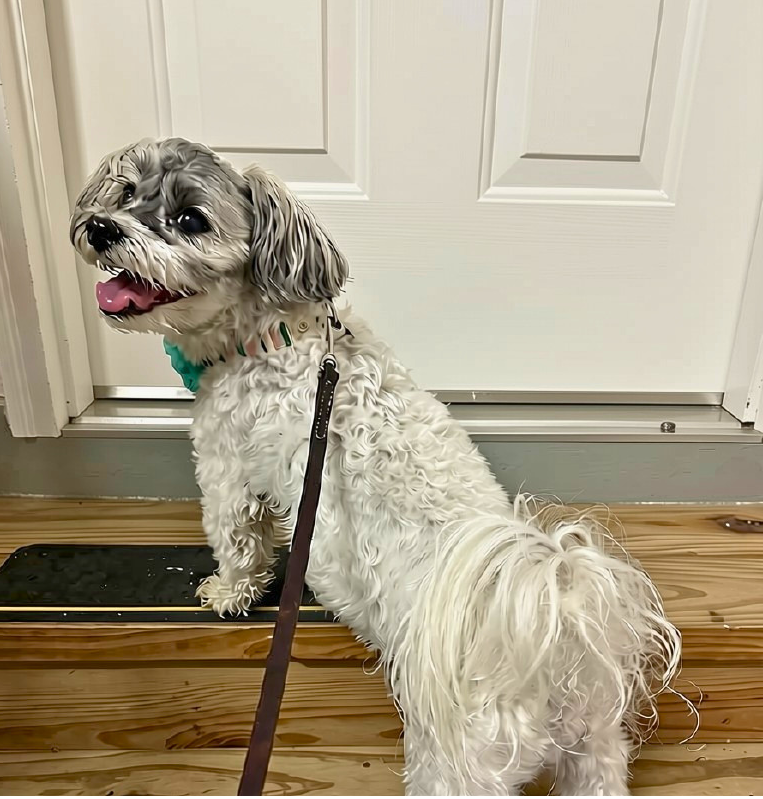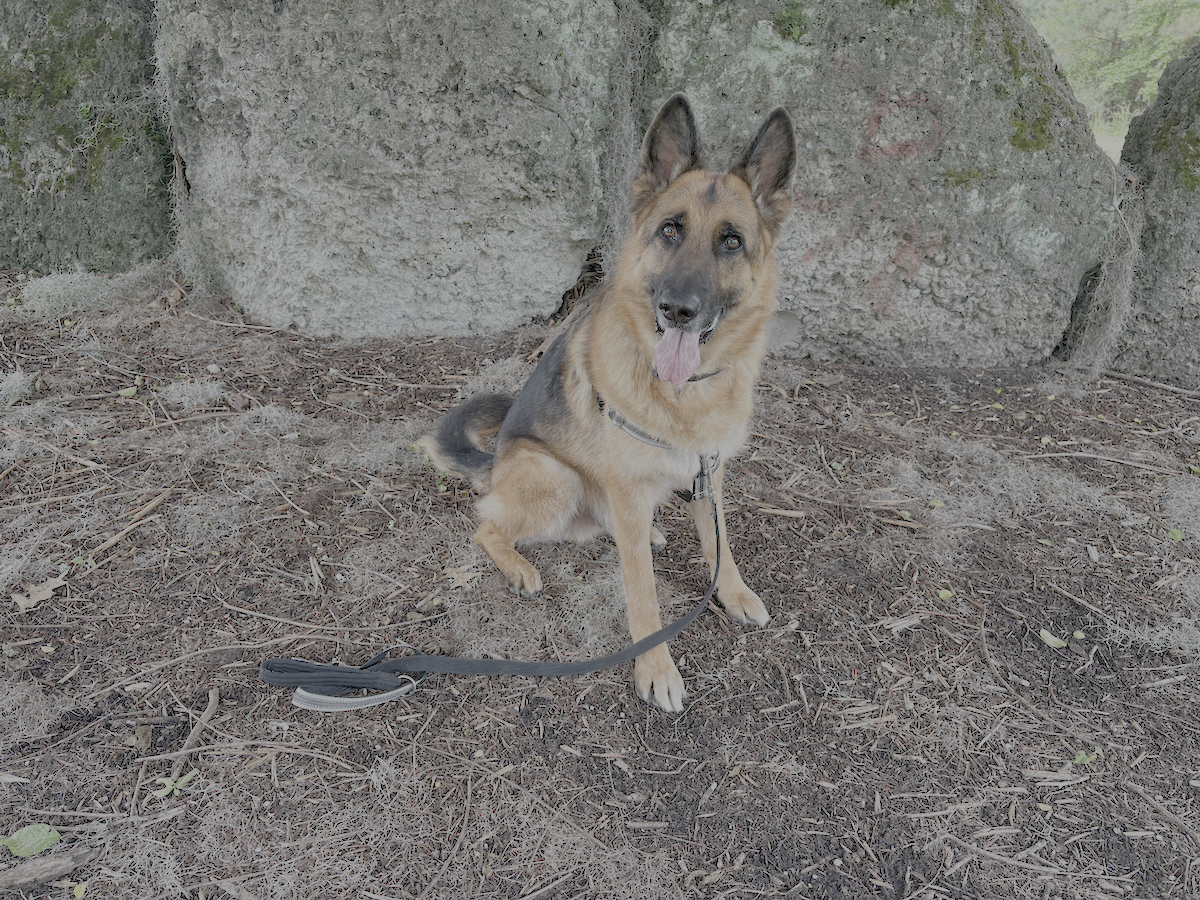
Davy walked up the ramp and into my SUV this morning.
That sentence sounds simple. But a few months ago, I never would have imagined writing it.
Davy has always been athletic. Capable. The kind of dog who launches himself into the car without a second thought, ready for whatever comes next. For most of his life, getting in was never something either of us had to think about.
Then I started noticing things. Not dramatic things. Small ones.
A stumble stepping down from a curb. An occasional wobble in his back legs. The sound of his nails brushing the door frame on the way to the backyard. More licking and chewing than usual.
When I mentioned the licking to our veterinarian, he suspected a flea allergy. He also asked me a question that stopped me in my tracks: What has changed at home?
The answer was obvious. Two months earlier, we had lost Ginger. She and Davy were never cuddle buddies, but they had shared a home and a life together for ten years. Their relationship was quiet, but it was real. Her absence changed things in ways I am still learning to understand.
1. When the Observations Start Adding Up
As the small things kept accumulating, two veterinarians independently raised the possibility of degenerative myelopathy. We are pursuing confirmation through UC Davis. But whatever the final diagnosis turns out to be, what I was seeing was real and deserved attention.
What I appreciate most is that neither veterinarian dismissed my concerns. They listened. They took what I was noticing seriously.
Why it matters: ACE Free Work has taught me how to observe. Not just whether a dog sits or comes when called, but how a dog moves through the world. Gait. Posture. Balance. Weight shifts. Confidence. Hesitation. The subtle things that slip past you if you are not paying close attention. Those observations led us to the next steps.
2. What Paying Attention Looks Like in Practice
The list of next steps came directly from watching: veterinary visits, acupuncture, a ramp, hydrotherapy, and soon a Help 'Em Up harness.
None of those things happened because I panicked. They happened because I was paying attention and had learned what to look for.
Why it matters: Observation is not just a skill for trainers. It is something every dog owner can develop. When you know what normal looks like for your dog, you will also know when something is different. And that difference is often where the real care begins.
3. Davy's First Hydrotherapy Session
Today was his first session. His physical therapist, Hope, started with land exercises. Davy worked through platforms, wobble boards, and step-ups designed to challenge his balance and body awareness. Then we moved to the underwater treadmill.
He was uncertain. The moving belt and rising water were unlike anything he had experienced before. But he was compliant and thoughtful throughout. It will take a few visits for him to really understand what this new activity is asking of him.
Even so, I could already see the value. And more importantly, I could tell he was in good hands. Hope explained what she was seeing, how the exercises would help, and what we could do to support him going forward.
Why it matters: A dog who is uncertain is not a dog who has failed. Davy did not know what the underwater treadmill was. He went anyway. He figured it out one step at a time. That is exactly what we ask of our dogs in every new situation, and it is worth acknowledging when they show up for it.
4. This Is Not a Story About Decline
As I watched him work, I kept coming back to the same thought.
The ramp is not the beginning of the end. It is the beginning of a new chapter.
I did not expect Davy to bring me here. Then again, Davy has never been like any other dog I have owned. He has spent his whole life challenging me to learn, observe, and think differently. This chapter is no exception.
The diagnosis may not be one I would have chosen. But the lessons are proving valuable. I am learning to slow down. To notice more. To appreciate what is still possible. And maybe most importantly, to support rather than predict.
Why it matters: Adaptation is not giving up. It is meeting your dog where they are today, with what they need today. That is not a smaller version of care. It is often the deepest form of it.
5. The Ride Home
Davy gave me one more reminder at the end of the day.
After carefully walking up the ramp into my SUV for the drive to therapy, he hopped into the vehicle on his own for the ride home. No ramp. Just Davy being Davy.
I laughed out loud.
Maybe that was his way of telling me not to put limits on him too quickly. Support does not mean giving up what you can still do. It means having help available when you need it.
As we continue this journey together, I have a feeling Davy still has a few more lessons to teach.
Jeanne Crockett
Fear Free Certified Elite Professional Animal Trainer | Canine Reactivity Specialist | ACE Free Work Trainer
First ACE Free Work Trainer in North Carolina
Crockett's Critter Care | New Bern, NC
Call: (252) 635-2655
Visit: crockettscrittercare.com