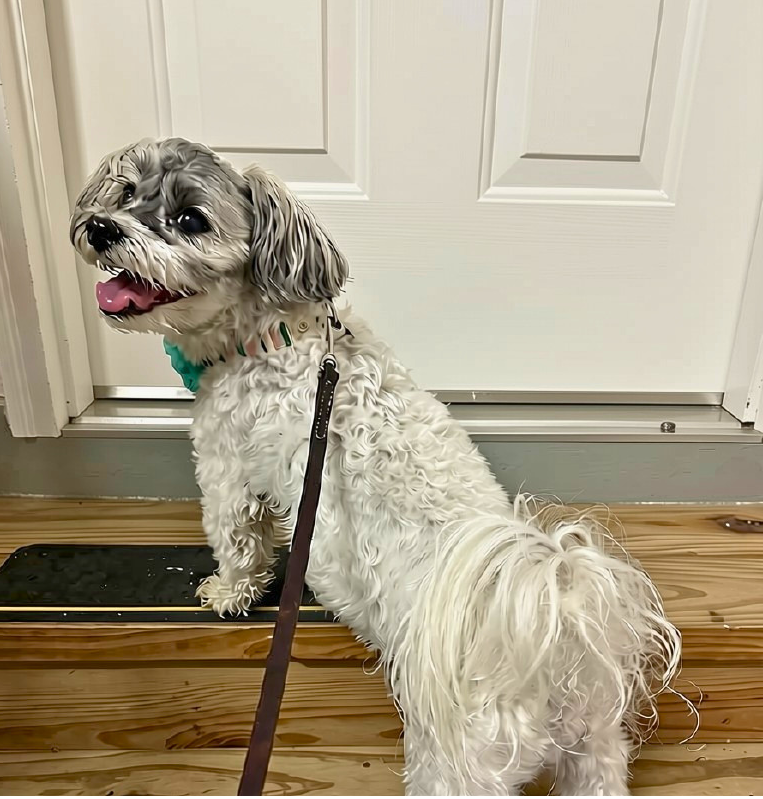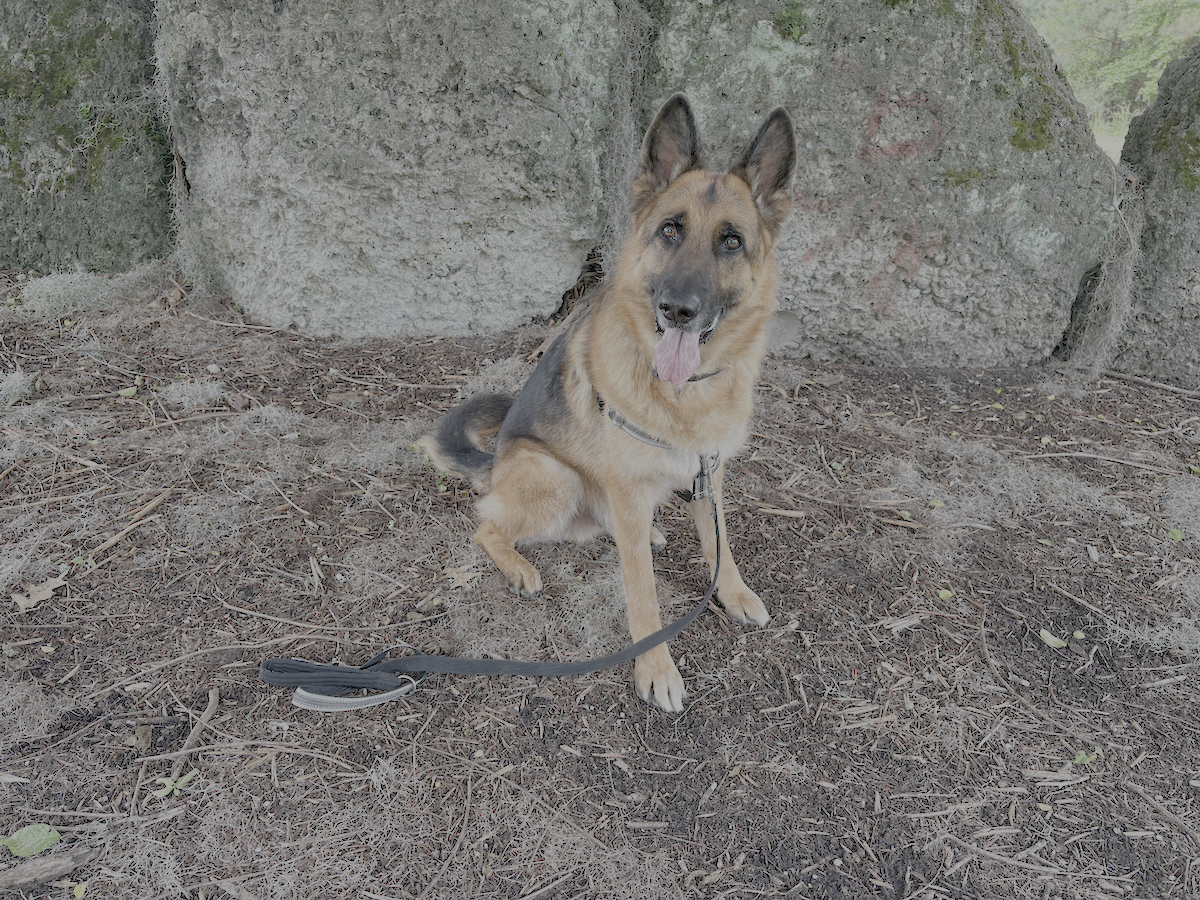
What I Notice When I Walk Your Dog
(That Most People Never See)
Enrichment-based dog walking in New Bern, NC
I have been walking dogs for a long time. And I can tell you that most walks, even good ones, miss a lot.
Not because the walker doesn't care. Because they don't know what to look for.
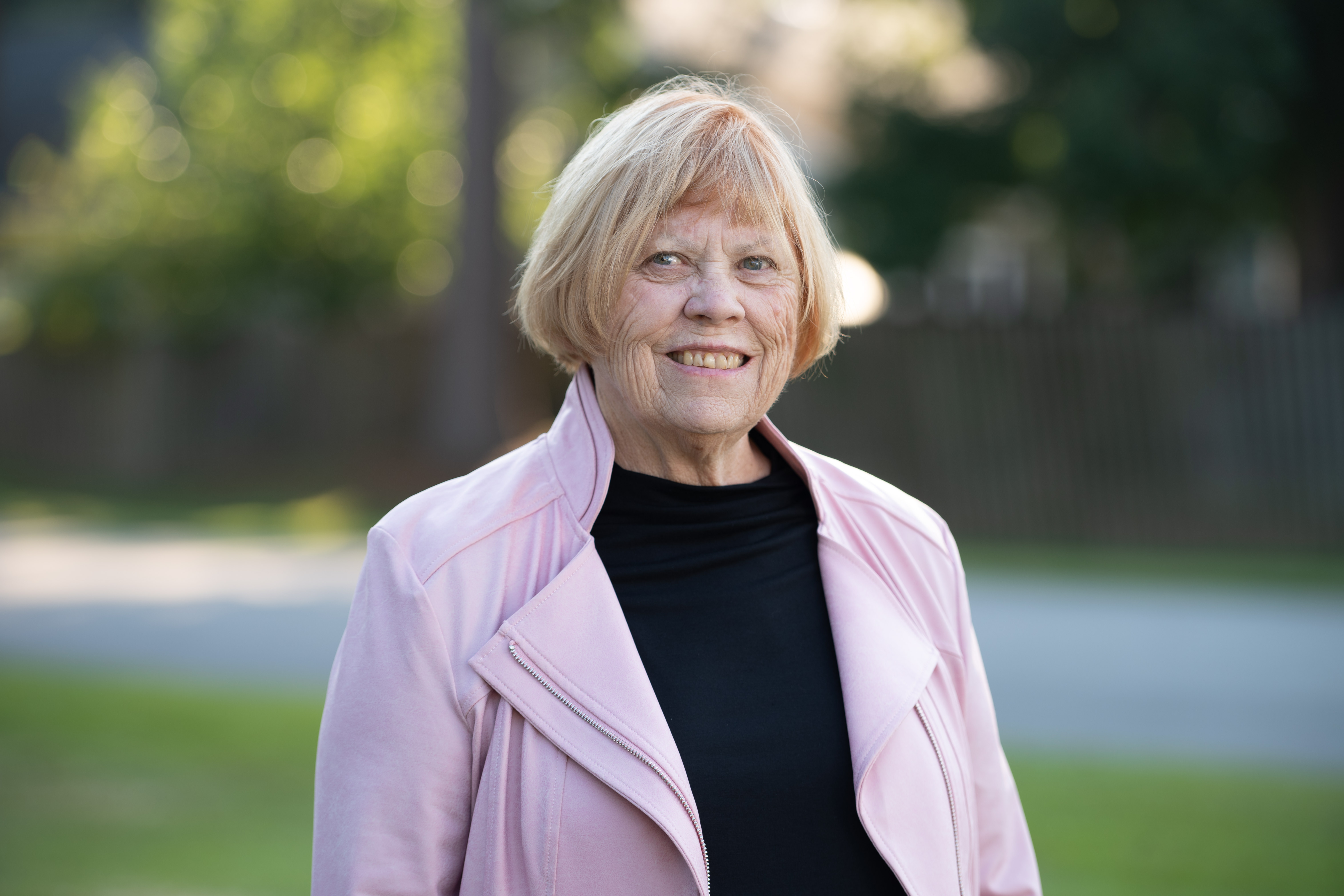
I'm Jeanne Crockett, owner of Crockett's Critter Care in New Bern. When my team takes your dog out, we are not just getting them some air and bringing them home. We are paying attention to things that tell us how your dog is actually doing. Physically. Emotionally. Day-to-day.
Here's what that looks like in practice.
1. The Way They Move
I watch their gait from the moment we step outside. Is your dog moving the same on both sides? Are they stiff at the start and loosening up as we go, or stiff the whole time? Do they drift in one direction when we turn?
Why it matters: Dogs can't tell you their hip is bothering them or their shoulder feels off. But their body shows it. A dog that consistently turns more easily to the left, or shifts weight during a squat, or shortens their stride on one side, that's worth paying attention to. We notice it. We tell you. One walk is just a snapshot, but over time, patterns show up.
2. What Their Nose Tells Us
There is sniffing, and then there is sniffing.
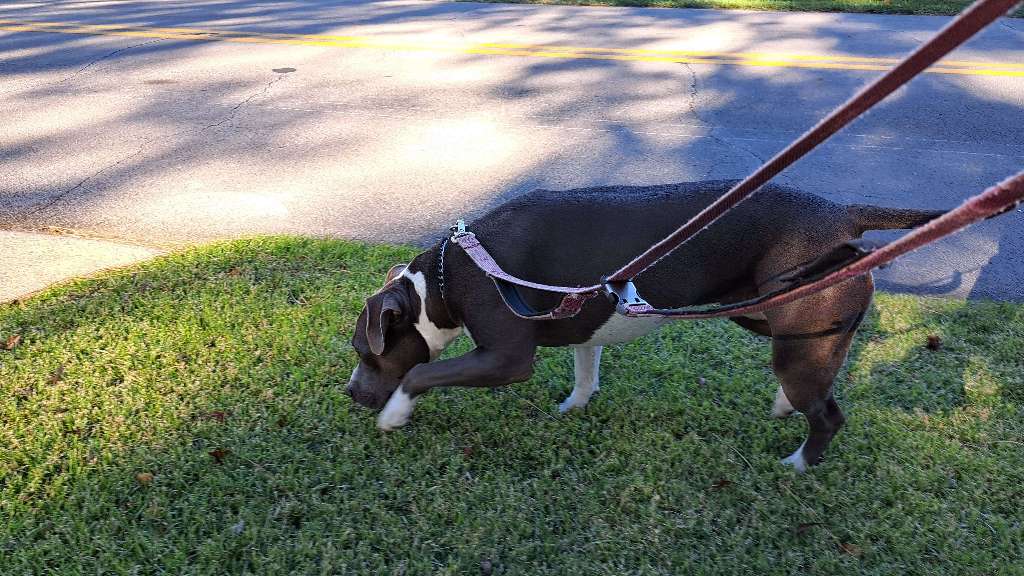
A relaxed dog sniffs with their whole body. Nose down, shoulders loose, taking their time. That dog feels safe. A dog that is scanning, head up, body stiff, eyes moving before the nose does, that is a dog whose nervous system is somewhere else entirely.
Why it matters: Slow, purposeful sniffing actually brings arousal down. It is one of the most effective ways a dog can regulate itself on a walk. We build sniff breaks into every walk on purpose. Not because we let dogs do whatever they want, but because we know what it does for them when they actually get to use their noses.
3. How Long It Takes to Settle After Something Startles Them
A dog barks from behind a fence. A truck backfires. Something unexpected happens, it always does.
We're not focused on the moment. We're watching the two minutes after it.
Why it matters: Recovery time tells you more about a dog's stress load than almost anything else. A dog who shakes it off quickly and goes back to sniffing is doing okay. A dog who is still scanning and tense ten minutes later is carrying something. We track this across walks. If it starts changing —slower recovery, more scanning, less settling—we're going to say something.
4. Yes, We Pay Attention to Their Poop
I know. But we do.
Consistency, effort, whether your dog can hold a squat comfortably, or keeps shifting their weight. Whether anything looks different from last week.
Why it matters: Changes in stool can indicate stress, a dietary issue, or physical discomfort. The squat itself tells us about core strength and comfort in the body. It is not glamorous. But it is real information, and most walkers are not collecting it.
5. When They Decide to Slow Down
We do not rush dogs through a route. If your dog stops, we stop. If they want to stand somewhere and just look at something for a minute, that's allowed. If they want to move away from something, we let them.
Why it matters: A dog who is allowed to make small choices on a walk is a dog who is actually engaged with their walker. That trust is not built in one walk. It builds over time. And a dog who trusts the person on the other end of the leash walks differently. They come home differently, too.
What We Do With All of It
We keep track of what is normal for your dog and what looks different, and what might be worth a call to your vet.
Dog walking at Crockett's Critter Care is not a task we check off. It is care. And care means actually watching—not just walking. Interested in enrichment-based walking for your dog in New Bern?
📞 Call: (252) 635-2655
✉️ Email: crockettscrittercare@gmail.com
Jeanne Crockett
Fear Free Certified Elite Professional Animal Trainer | Canine Reactivity Specialist | ACE Free Work Trainer
First ACE Free Work Trainer in North Carolina
Crockett's Critter Care | New Bern, NC