What My Reactive Dog Taught Me (That Could Save You Years of Struggle)
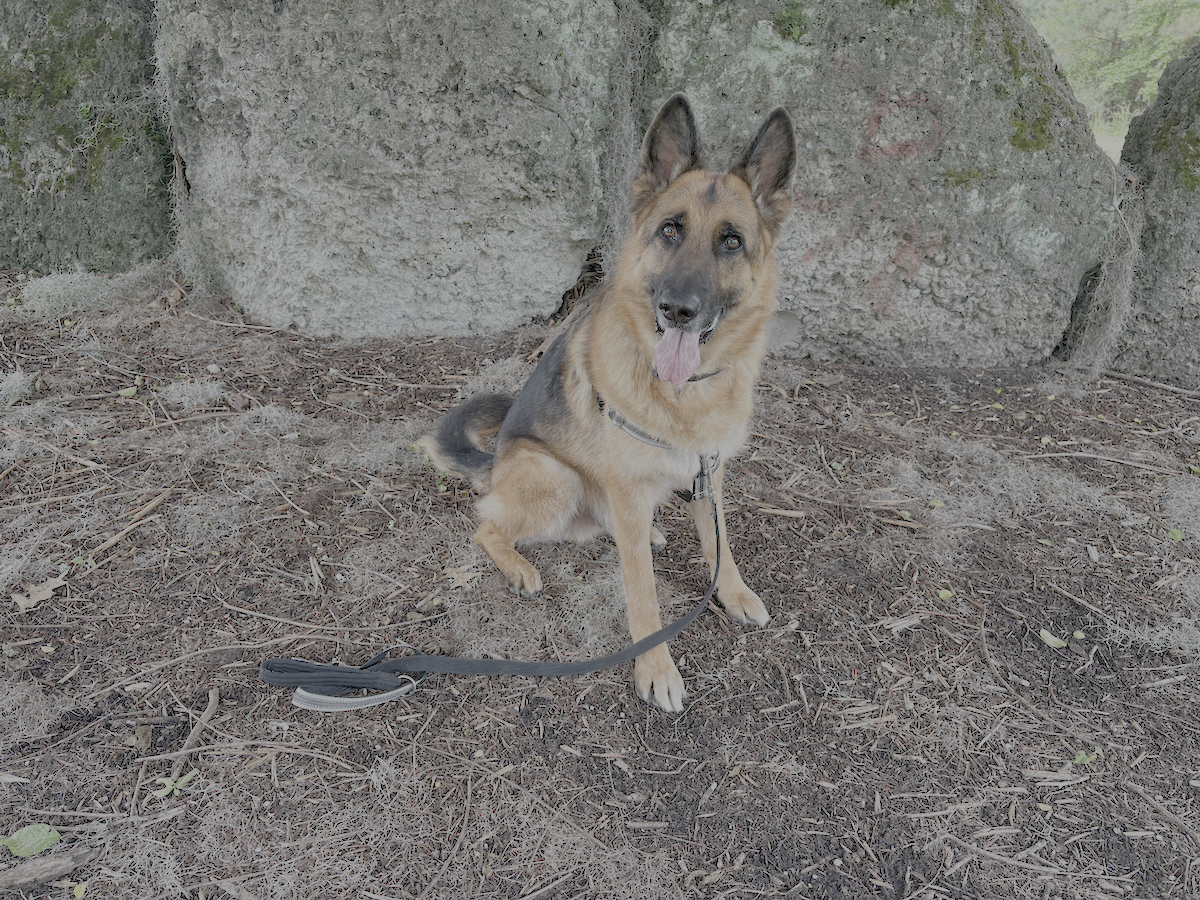
I spent five years struggling with my German Shepherd, Davy, before I figured out what actually works.
Five years of embarrassing walks. Five years of checking if the coast was clear before leaving the house. Five years of feeling like a failure as a dog owner.
And here's the part that stings the most: I had been training dogs for years. I attended classes regularly. I knew obedience inside and out. But none of that prepared me for a reactive dog.
If you're reading this, chances are you're in the same boat I was. You love your dog. You've tried training. But nothing seems to work.
I'm Jeanne Crockett, owner of Crockett's Critter Care, and I am a Canine Reactivity Specialist in New Bern, NC. I became a specialist in reactive dog training because of Davy—and because I don't want other dog owners to spend five years figuring out what I had to learn the hard way.
Here's what Davy taught me that could change everything for you and your dog.
Lesson 1: Obedience Training Isn't the Same as Behavior Modification
When Davy was a puppy, I had big plans. I was going to train him to be the perfect German Shepherd. We started puppy classes. We practiced sit, down, stay, come, heel.
And you know what? Davy was brilliant at all of it.
But it didn't stop him from barking and lunging at other dogs. It didn't stop him from destroying window sills when he saw squirrels. It didn't stop him from turning into a 60-pound nightmare on walks.
At age five, Davy was asked not to return to obedience class after a "vocal altercation" with a Dachshund. I was mortified.
Here's what I learned:
Obedience training teaches dogs what to do. Sit. Stay. Come.
Behavior modification teaches dogs how to feel. Safe. Calm. Confident.
Reactive dogs don't need more commands. They need to feel different about their triggers.
That's why traditional training classes fail reactive dogs. They're focused on control, not emotional regulation.
If your dog can sit perfectly but still loses their mind at the sight of another dog, you don't have an obedience problem. You have a behavior problem. And that requires a completely different approach.
Lesson 2: Reactivity Isn't About Dominance—It's About Fear
For years, I believed the myth that Davy was trying to "be alpha." That he was challenging me. That he needed to be shown who was in charge.
So I tried corrections. I tried being "the leader." I tried everything my trainers told me to do.
It made everything worse.
Here's the truth I wish I'd known sooner:
Reactive dogs aren't trying to dominate anyone; they’re simply responding to their environment. But here’s why: they're scared.
When Davy barked and lunged at other dogs, he wasn't trying to prove he was tough. He was trying to make the scary thing go away. His intent was survival, not dominance.
Once I understood that, everything changed.
I stopped trying to control his behavior and started addressing how he felt. I stopped using corrections and started using positive reinforcement. I stopped flooding him with triggers and started keeping him under threshold.
And slowly—very slowly—Davy started to trust me. He began to believe that I would keep him safe. And when he felt safe, his reactivity decreased.
Davy didn’t just change - my entire approach to reactive dogs changed with him. This is what my positive reinforcement dog training in North Carolina is all about. We don't punish fear. We build confidence.
Lesson 3: Progress Takes Time, Patience, Consistency—and Kindness
Davy didn't transform overnight.
There were setbacks. There were days I wanted to give up. There were moments I wondered if I was doing everything wrong.
But here's what kept me going: small wins.
The first time Davy walked past a dog behind a fence, without lunging.
The first time he looked at me, instead of reacting.
The first time I heard someone say, "Wow, Davy is not the same dog."
Those moments didn't happen in week one. They didn't happen in month one. They happened after months of consistent, patient, kind training.
Real progress takes time. It takes patience. It takes consistency. And it takes kindness.
You can't rush a reactive dog. You can't force them to "just get over it." You have to meet them where they are and build from there.
That's what I do with my clients now. I help them see the small wins. I help them stay consistent even when progress feels slow. I remind them that their dog is learning—even on the hard days.
Lesson 4: The Right Training Can Change Everything
At nine years old, Davy is a different dog.
We walk in the neighborhood without incident. We now regularly visit our local parks, where he can sniff, explore obstacles, and get exercise.
And our bond? Unbreakable.
But here's what I need you to understand: This didn't happen by accident.
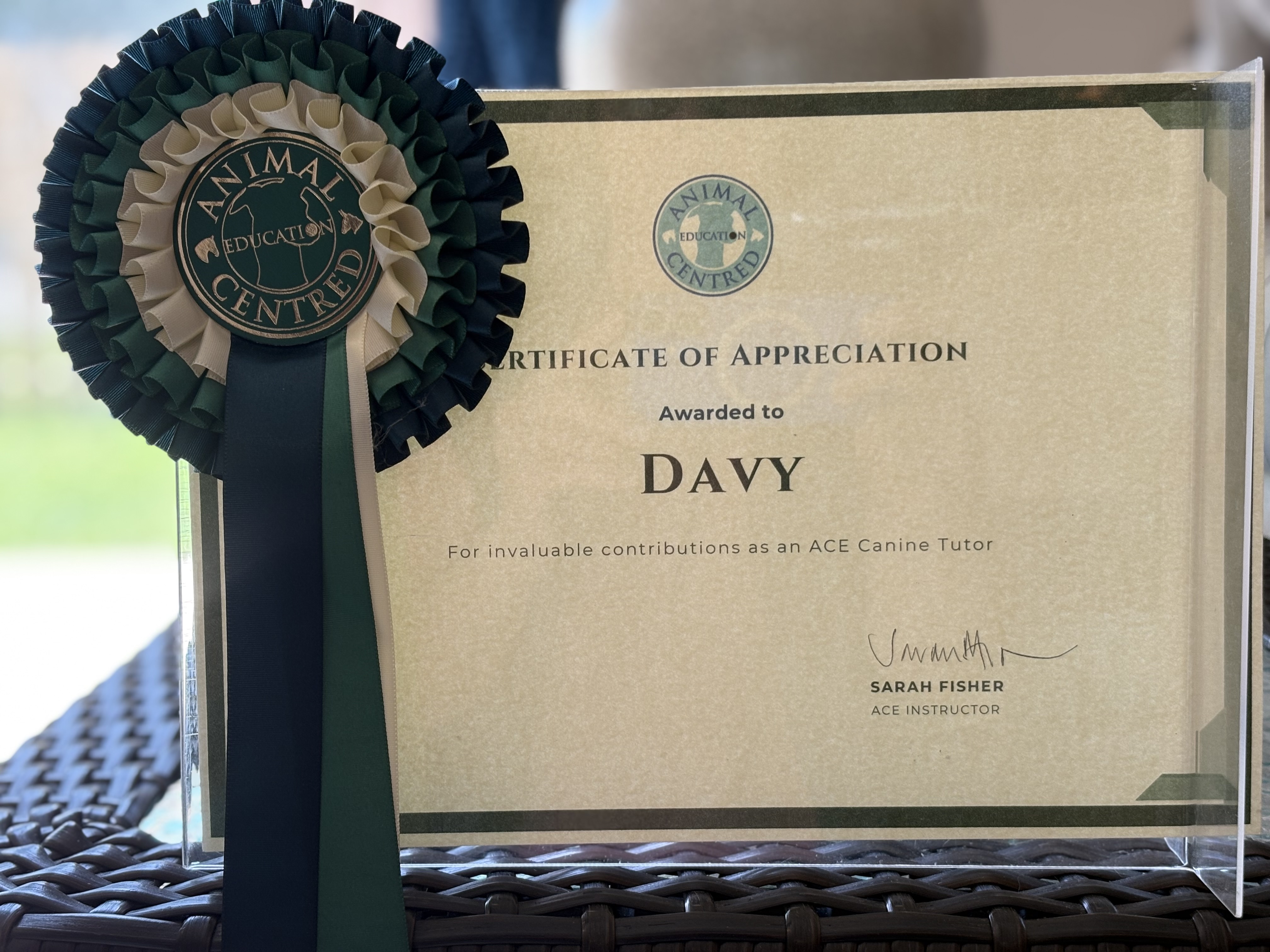
It happened because I finally found the right approach. I learned about Fear Free training. I discovered ACE Free Work. I stopped focusing on obedience and started focusing on emotional well-being.
And once I had the right tools, everything changed.
That's why I became a Canine Reactivity Specialist. That's why I'm the first ACE Free Work Trainer in North Carolina. That's why I specialize in helping fearful dogs in NC.
Because if I can help you skip the five years I spent struggling, if I can give you the tools that actually work, then every hard moment with Davy was worth it.
Everything I learned with Davy now shapes how I help other reactive dogs - and the people who love them.
What You Can Do Right Now
If you're exhausted from managing a reactive dog, I get it. I've been there.
But here's what I want you to know: You don't have to figure this out alone.
Reactive dog training is what I do in New Bern, North Carolina. And, I don't just teach your dog—I teach you. Because the most powerful tool your dog has is a confident, informed owner who knows how to help them feel safe.
Here's what we'll work on together:
✅ Keeping your dog under threshold so they can actually learn
✅ Using counter-conditioning to change how they feel about triggers
✅ Building confidence at home before tackling walks
✅ Reading your dog's body language so you know when to push and when to pause
✅ Using positive reinforcement methods that build trust, not fear
✅ Supporting both ends of the leash with tools for unexpected moments, emotional resets, and a clearer understanding of reactivity.
Most clients see real progress within 4-8 sessions. But the timeline depends on your dog, your consistency, and how long the reactivity has been happening.
The sooner you start, the sooner things get easier.
Let's Talk
I offer complimentary discovery calls to ensure we're a good fit. No pressure. Just a conversation about your dog, what you're experiencing, and whether this approach makes sense for you.
Davy taught me that reactive dogs aren't broken, just scared. And with the right approach, they can learn to feel safe. Reactivity rarely resolves on its own - but with the right support, it does improve.
Let me help your dog—and you—find that same peace.
Call me at (252) 635-2655 or email crockettscrittercare@gmail.com to schedule your discovery call.
Let’s work toward the peace and change you both deserve.
Jeanne Crockett
Fear Free Certified Elite Professional Animal Trainer | Canine Reactivity Specialist | Positive Reinforcement Dog Trainer
First ACE Free Work Trainer in North Carolina
Crockett's Critter Care | New Bern, NC